
Andhra Pradesh, a state in South India, is famous for its bold, tangy, spicy flavours. Among the many condiments that define its cuisine, gongura pickle holds a special place. This article explores whatis gongura pickle, its origin, recipe, variations, where to buy gongura pickle, the gongura pickle price, especially on Amazon, and more. We’ll also look at why gongura pickle is more than just a taste—it is culture, nutrition, and identity.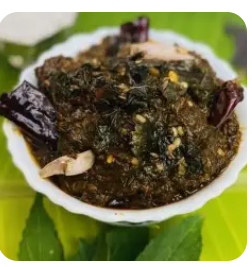
What is Gongura Pickle?
Gongura (botanical name Hibiscus sabdariffa var. sabdariffa or roselle, called “sorrel” in some places) refers to sour, leafy green or red-stemmed plant leaves used in many South Indian dishes. Wikipedia+2Wikipedia+2
Gongura pickle is a preserved form of gongura leaves (or gongura pachadi, in many home kitchens) in which the leaves are combined with spices, oil, salt, sometimes garlic, tamarind etc. and stored so the flavour develops over time. This pickle is eaten as a side with rice, roti, dosa, or even as a taste enhancer in many main courses. The sourness of gongura combined with heat and spices is central to the appeal.
Origin of Gongura Pickle
Geographical and Botanical Roots
- Gongura is native to tropical climates. It is grown widely in Andhra Pradesh, Telangana, and other parts of South India. Wikipedia+1
- There are two common varieties: red-stemmed gongura (more sour) and green‐stemmed gongura (milder). Wikipedia+1
Historical and Cultural Significance
- Historically, gongura has been used to provide a sour tang in years when tamarind was unavailable or expensive, especially in rural Andhra homes.
- Gongura pickle (and pachadi) is deeply rooted in daily meals—breakfast, lunch, even dinner sometimes—with staples like rice, especially in agrarian and coastal regions. Its preserved form enabled people to enjoy its flavours even when fresh leaves were out of season.
- It is also associated with festivals, hospitality, regional identity. Andhra cuisine is known for its pickle culture—where pickles are not just a side dish, but essential.
Recipe of Gongura Pickle
Here is a step-by-step recipe for making a traditional gongura pickle at home. You can adapt based on spice preference, oil type, and how sour or hot you like it.
Ingredients
- Fresh gongura leaves (red stem or green stem) – about 300-400 grams
- Salt – approx. 1½ to 2 teaspoons (or to taste)
- Dry red chillies – 4-8 (depending on heat)
- Asafoetida (hing) – a pinch
- Mustard seeds – 1 tsp
- Fenugreek seeds – ½ tsp
- Garlic cloves – 4-5 (optional)
- Oil – preferably gingelly / sesame oil or sunflower / peanut oil – about 2 tbsp
- Tamarind pulp (optional, if you want extra sourness)
Method
- Wash and dry the gongura leaves well. Remove stems if too fibrous.
- Blanch or lightly cook the leaves: Some recipes call for boiling them briefly till they wilt, others directly process raw leaves. If boiling, drain thoroughly so no water remains.
- Grind or chop: Chop the leaves finely (or make a coarse paste if you prefer paste‐style pickle). Also grind dry red chillies (or use chilli powder). Garlic can be chopped or pounded.
- Tempering / tadka:
- Heat oil in a pan.
- Add mustard seeds; once they splutter, add fenugreek seeds.
- Then add garlic (if using), dry red chillies. Fry for a short while (be careful not to burn the chillies).
- Add asafoetida.
- Mix everything: Combine chopped (or paste) gongura leaves, salt, tamarind pulp (if used), chillies, the tempering mixture.
- Cook lightly: Some recipes cook the mixture for a few minutes so the flavours marry; others preserve more raw taste.
- Storage: Let the pickle cool. Store in a clean, dry glass jar. Add a thin layer of oil on top to preserve. Keep in a cool place. Refrigeration optional depending on climate.
Variations of Gongura Pickle
Andhra gourmands and home cooks have developed many variations of gongura pickle to cater to different tastes, heat tolerances, and usage. Here are some of the popular ones:
| Variation | Key Differences / Additions | Taste Profile |
|---|---|---|
| Traditional Gongura Pickle | Basic spices, oil, salt, maybe garlic | Strong sour, tangy, medium-spicy |
| Gongura Oni (Onion) Pickle | Adds raw or fried onions, sometimes extra garlic | Slightly sweet-sharp, more texture |
| Gongura with Garlic | More garlic cloves; garlic is either raw, roasted, or fried | Pungent, sharp flavour |
| Chilli Gongura Pickle | Extra red chillies or chilli powder, sometimes smoked red chilli | Very hot, spicy |
| Gongura with Tamarind | Adds tamarind pulp or extract for extra sourness | Tart-y sour, layering of sourness |
| Dry Powder Style / Coarse Paste | Less oil, more dry spice mix, maybe roasted nuts or lentils added | Drier texture, crunch, deeper roasted flavour |
| Wet / Juicy Pickle | More oil or sometimes even water, more moisture, sometimes with seeds | Softer, more sauce-like consistency |
Some households also preserve “gongura leaves + salt only” as base; later use small quantity to cook fresh gongura pappu, chutney, etc. This is more like a preservation than full pickle.
Why Gongura Pickle is Important in Andhra Cuisine
- Flavor enhancer: The sourness of gongura complements the staple rice, dal, curries, especially in a cuisine that uses a lot of heat and rich gravies.
- Nutritional value: Gongura leaves are rich in iron, vitamin C, antioxidants, folic acid. Helps in digestion, appetite, balancing heat in diet. Wikipedia
- Seasonal supply & preservation: Fresh gongura grows seasonally. Pickling preserves its flavour and nutritional value outside the growing season.
- Cultural identity: A symbol of Andhra home cooking; almost every household has their own style of gongura pickle.
- Versatility: Used not just as a pickle / side, but in chutneys, dals (gongura pappu), seafood or meat curries (e.g. gongura mamsam), etc.
Where to Buy Gongura Pickle (Online and Offline)
For people who cannot make it at home, buying ready-made gongura pickle online or in stores is an option.
Offline / Local Markets
- Local Andhra / South Indian grocery shops often carry house-made or local branded pickles.
- Regional andhra supermarkets and spice shops.
- Specialty stores that focus on pickles (achaar), chutneys.
Online
- Amazon – many brands like Priya, Mother’s Recipe etc. sell gongura pickle.
- Other Indian grocery e-commerce sites (BigBasket, Spicewalla, etc.).
- Direct from small producers via social media, local artisan stores.
When searching, use keywords like “buy gongura pickle”, “best gongura pickle”, “gongura pickle online” to find high quality options.
Best Gongura Pickle – What to Look For
If you want the best gongura pickle, here are criteria to judge:
- Authenticity – use of real gongura leaves (red stem or green stem), good sourness, not artificial flavour.
- Spice balance – chilli, garlic, and sourness balanced. Some prefer mild, others hot.
- Oil quality – clean, good oil that does not leave rancid aftertaste.
- Preservatives – minimal artificial preservatives; natural shelf life preferable.
- Packing & storage – glass jars or sealed containers to maintain flavour.
- Brand reputation / reviews – especially important when buying online.
Gongura Pickle Price – Especially on Amazon
When considering gongura pickle price, especially from Amazon, there is a wide range depending on brand, quantity, packaging, and type.
Here are some recent examples (Amazon listings) to give you an idea:
- Priya Gongura (Hibiscus Cannabinus) Pickle 300g – around US$8.53. Amazon
- Essence of Life Gongura Pickle – 160g – listed for about US$45 (seems high; likely imported, niche packaging or currency variation). Amazon
- Gongura (2×300gm) Priya Twin Pack – about US$12.34. Amazon
- Mother’s Recipe Andhra Gongura 300g – a more mass-market brand; price fluctuates depending on seller and shipping. Amazon
Prices vary a lot because of shipping (if importing), brand premium, ingredient quality, and packaging. In India, gongura pickle price in local brands tend to be lower (often ₹80-₹200 for 200-300g jar depending on brand and quality) but imported ones on Amazon or international versions can cost significantly more.
Sample Gongura Pickle Price Table (Based on Amazon)
| Product | Quantity | Approx Price on Amazon* | Notes |
|---|---|---|---|
| Priya Gongura Pickle | 300 g | ~ US$8.50 | Local brand, good quality Amazon |
| Essence of Life Gongura Pickle | 160 g | ~ US$45.00 | Probably premium or niche product Amazon |
| Priya 2-pack Gongura | 2 × 300 g | ~ US$12.34 | Bulk option, better per-gram cost Amazon |
* Prices as of current listings; may vary with discount, shipping, availability.
The Role of Gongura Pickle in Daily Andhra Meals
- A small serving of gongura pickle rounds out the plate—adds contrast to bland rice or Dal.
- In homes, even breakfast (e.g. idli/dosa, upma) may be served with a spoon of pickle.
- During festivals, when richer food is prepared, gongura helps cut through greasiness.
- Also good for digestion or as an appetite stimulant because of its sour and spicy profile.
Challenges and Modern Trends
- Shelf stability: Maintaining freshness without artificial preservatives is a challenge, especially for export.
- Standardization vs home-style: Many home cooks prefer their own authentic taste; commercial versions might sacrifice some flavour or texture.
- Health trends: Some consumers want less oil, less heat, natural ingredients, organic gongura. So new versions (low oil, organic, etc.) are appearing.
- Global diaspora demand: People living abroad want authentic gongura pickle; this increases reliance on gongura pickle online markets.
Conclusion
Gongura pickle is much more than a condiment in Andhra cuisine—it is history, cultural identity, and flavour. Whether you make it at home or buy gongura pickle from a trusted brand online, its sour, spicy tang plays a crucial role in balancing meals. Knowing the origin, how to make traditional pickles, and how to choose the best one helps you appreciate every bite.
If you try making gongura pickle at home or buy a new brand, you’ll understand why it remains a beloved staple in Andhra households.
If you like, I can share a few best gongura pickle brands currently available online (with links and price in India), or a printable recipe card. Do you want me to do that?